
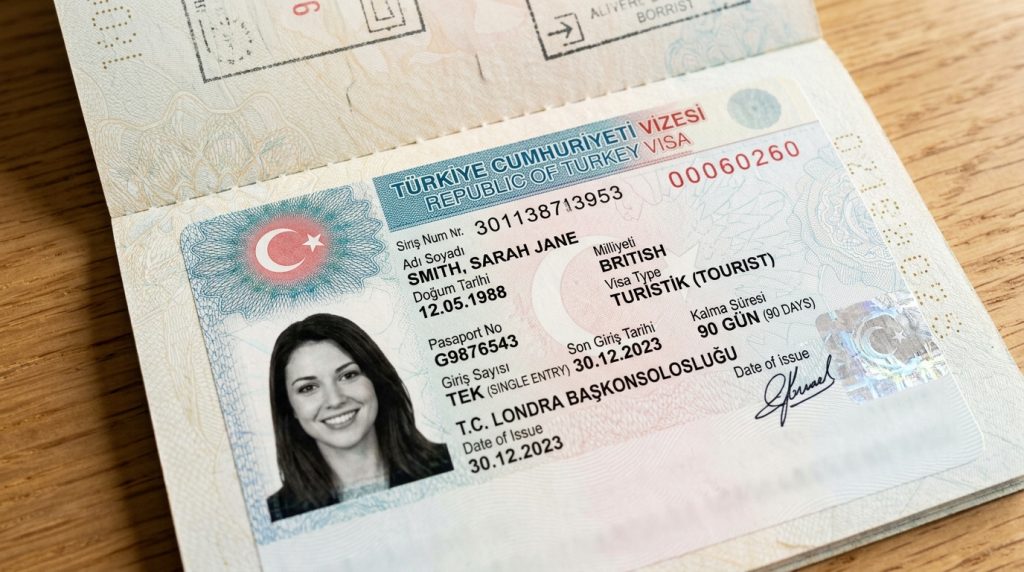
Turkey has long stood as a breathtaking bridge between continents, a land where Eastern traditions blend seamlessly with Western modernization. From the architectural marvels of Istanbul and the thermal pools of Pamukkale to the pristine beaches of the Aegean coast, the nation remains a top destination for global explorers. To accommodate the increasing volume of international arrivals, the Turkish government introduced an efficient electronic visa (e-Visa) framework. This digital portal transforms the pre-travel immigration workflow, allowing travelers to secure official entry authorization without stepping foot inside an embassy or consulate.
While the online platform offers incredible convenience, navigating the immigration compliance parameters correctly is vital for a smooth journey. Understanding the specific electronic travel tiers and required document standards will ensure your upcoming trip to Turkey remains stress-free and memorable.
The Evolution of Digital Entry into Turkey
The transition from physical passport stamping at consulates to an automated online portal represents a major leap forward for global mobility. The electronic entry authorization framework functions as a direct link between an applicant’s digital portal and the Turkish immigration database. Instead of mailing original documents or waiting weeks for consular processing, travelers can complete an online application questionnaire and receive an approved travel authorization in a fraction of the time.
The e-Visa platform accommodates various entry purposes, primarily focusing on short-term tourism and commercial or business trips. It is important to remember that this digital document is tied electronically to a specific passport number. Consequently, any typographical mismatch or configuration mistake during the application process can lead to boarding denials at the airport or secondary screening upon landing.
Tailored Access Tiers for Global Passports
Bilateral international agreements and specific country groupings dictate the precise rules, fees, and processing windows for the digital system. Travelers must verify that their exact nationality is included on the permitted eligibility roster before drafting their itineraries.
For travelers journeying from the Himalayan region, navigating the online system requires strict adherence to specific foundational criteria. Reviewing the explicit framework required for a TURKEY VISA FOR BHUTAN CITIZENS ensures that applicants from this region understand necessary conditions like supporting documentation mandates, local currency processing fees, and entry validity windows. Meeting all criteria before launching the submission pipeline minimizes the chance of automated system holdups.
For millions of vacationers looking to immerse themselves in historical architecture, vibrant bazaars, and scenic coastlines, selecting the proper electronic classification is a prerequisite. Securing a TURKEY TOURIST VISA provides international adventurers with clear authorization to cross the border for leisure purposes. This specific entry tier permits multiple or single entries depending on the applicant’s origin country, allowing travelers to explore the country’s diverse landscapes within a specified window of time.
Strict Document Compliance and Quality Standards
The vast majority of digital processing bottlenecks, application rejections, or boarding issues stem from minor clerical mistakes or substandard digital document uploads rather than outright traveler ineligibility. Adhering closely to these technical benchmarks will maximize your chances of immediate approval:
- Passport Longevity: Your passport must possess an expiration date that extends at least 60 days beyond the planned duration of stay specified by your electronic visa. It should also contain clear space for entry and exit ink stamps.
- Biographic Data Accuracy: Every letter typed into the online application—such as middle names, parental details, and passport serial keys—must mirror your official physical document flawlessly.
- Active Communication Channels: Because your electronic travel permit is delivered directly to your inbox upon approval, providing a secure, frequently monitored email address is critical.
- Supporting Materials: Depending on your country of citizenship, the portal may request proof of an active Schengen, UK, or US visa, along with hotel reservations and evidence of sufficient financial means for your stay.
A Methodical Roadmap for Successful Online Submissions
Approaching the electronic immigration portal with a structured, step-by-step methodology lowers your stress levels and reduces the likelihood of introducing input errors.
- Gather Materials Early: Before accessing the live application portal, assemble your passport, structural travel details, current credit or debit cards, and any required visa or residency permits from supporting nations.
- Review Inputted Sections Intermittently: Take your time navigating the multiple digital forms. Pay close attention to dates, ensuring you enter the correct format for your day, month, and year of birth and passport issuance.
- Execute a Meticulous Final Check: Prior to proceeding to the mandatory fee gateway, review the comprehensive data summary screen. Once payment is authorized, modifying data fields is impossible, and any error requires a completely new application.
- Secure Physical Documentation: As soon as you receive the approval message containing your e-Visa download link, print out a minimum of two clear, high-contrast physical copies. Store one copy securely inside your hand luggage for quick presentation at international check-in counters.
