
For thousands of years, human societies have turned to sound and physical movement as primary remedies for emotional and psychological stress. Long before the advent of modern psychological frameworks, indigenous traditions around the globe understood that emotional tension, grief, and anxiety are not merely abstract thoughts—they are physically held within the body’s nervous system and muscles.
In our fast-paced modern environment, static sitting and excessive cognitive reflection are often overemphasized, while the physical release of stored stress is overlooked. Today, a growing synthesis of modern neuroscience, audio engineering, and contemplative practice is bringing movement and sound back to the center of holistic wellness.
Understanding the Mind-Body Connection in Emotional Release
Modern somatic psychology highlights that emotional trauma and chronic daily stress frequently manifest as physical tension. When an individual experiences stress without a proper outlet for processing, the nervous system can remain stuck in a state of hypervigilance.
Over time, this lingering tension affects posture, breathing patterns, and overall mental clarity. While traditional talk therapy addresses the cognitive aspects of stress, somatic practices work directly with the body to discharge held physical tension.
Sound acts as an immediate driver for this somatic processing. Because auditory input bypasses complex analytical filters and acts directly on the limbic system—the brain’s emotional center—music can rapidly shift a person’s physiological state. Gentle, sustained harmonies lower heart rates and encourage deep diaphragmatic breathing, creating a safe internal environment where suppressed emotions can surface and resolve naturally.
The Therapeutic Power of Conscious Movement and Sound
Combining somatic movement with specialized musical compositions creates a powerful atmosphere for personal transformation. Unlike structured dance forms that emphasize technical skill or external performance, movement as a healing practice focuses entirely on internal bodily awareness.
When individuals allow their bodies to move intuitively without judgment, they break through habitual physical patterns and mental rigidity. Rhythmic music provides both a structural anchor and a supportive cadence for this process.
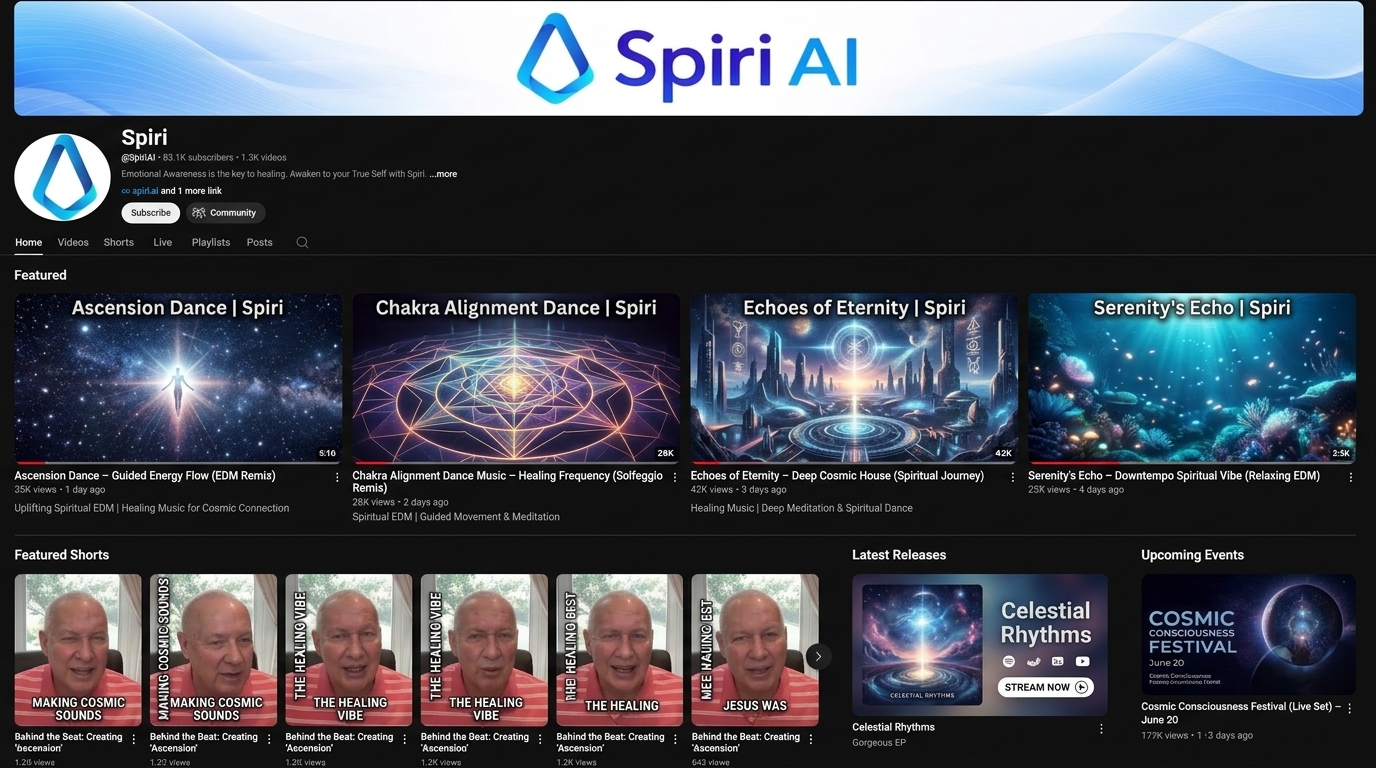
Integrating specialized auditory tools like Healing Dance into somatic sessions encourages practitioners to reconnect with their physical instincts, helping to process suppressed feelings through natural, fluid movement. The rhythm acts as a steady rhythm that gently guides the practitioner through various emotional states—from initial tension and expression to eventual integration and stillness.
Simultaneously, incorporating ambient soundscapes like Emotion Release Music provides an immersive acoustic environment designed to calm an overactive nervous system. The careful layering of warm harmonic pads, gentle acoustic rhythms, and spacious reverberation helps quiet mental chatter, allowing listeners to experience a sense of emotional lightness and renewed clarity.
3 Somatic Practices to Try at Home
Incorporating sound-guided somatic practices into your personal wellness routine does not require specialized equipment or prior experience. Here are three accessible techniques to support emotional release at home:
- Intuitive Somatic Shaking and Movement
Set aside 10 to 15 minutes in a private, quiet space. Play continuous, rhythmically steady soundscapes and begin by gently shaking your hands, arms, and legs. Allow your body to move spontaneously to the beat without planning the movements. This simple exercise helps discharge excess adrenaline and physical tension built up throughout the workday.
- Breath-Coordinated Stretching
Pair gentle full-body stretches with slow, atmospheric harmonies. Focus on synchronized breathing—inhaling slowly as you expand or reach, and exhaling fully as you melt into the stretch. The music helps regulate your breathing cadence, allowing tight muscles to relax deeply.
- Restorative Acoustic Grounding
At the end of a stressful day, lie flat on your back with your eyes closed and listen attentively to harmonic ambient compositions. Focus your full attention on the subtle resonance of the music and the physical sensation of your body resting on the floor. This practice signals to your nervous system that it is safe to transition into a state of deep rest and recovery.
Moving Toward Complete Inner Alignment
As our understanding of holistic health deepens, it becomes increasingly clear that mental well-being cannot be isolated from physical awareness. Sound and movement remain two of the most natural, accessible, and powerful tools available for cultivating internal balance and resilience.
By pairing modern audio production with conscious bodily awareness, anyone can establish a meaningful daily practice for stress relief and emotional clarity. Embracing music not merely as background noise, but as a dynamic partner in physical and emotional wellness, opens a straightforward path to lasting peace, physical vitality, and deep self-connection.
