
The hospitality landscape in the United Kingdom is currently defined by high customer expectations and a fast-paced digital environment. From the historic pubs of the countryside to the Michelin-starred establishments in urban centers, the ability to deliver seamless service is no longer just a goal—it is a requirement for survival. To meet these demands, savvy business owners are increasingly moving away from manual processes in favor of integrated technology.
The Foundation of Modern Service
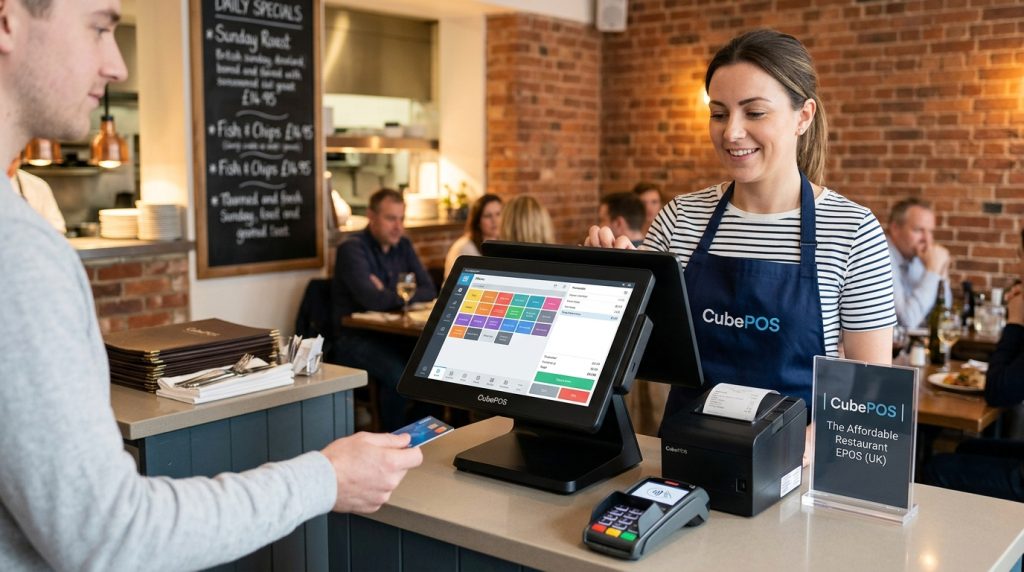
The shift toward digitalization has transformed the way front-of-house and back-of-house teams communicate. In an industry where a five-minute delay can lead to a negative review, the speed of information transfer is critical. Implementing a robust restaurant EPOS system UK ensures that every order taken at the table is instantly transmitted to the kitchen or bar.
This synchronization does more than just save time; it virtually eliminates the risk of human error associated with handwritten tickets. Furthermore, these systems allow for sophisticated floor management, enabling hosts to track table turnover in real-time and provide customers with accurate wait times. By centralizing these operations, managers can maintain a calm, professional atmosphere even during the most hectic weekend shifts.
Scaling Success with Versatile Tools
Whether you are operating a single boutique eatery or managing a growing franchise, the scalability of your hardware is a vital consideration. A versatile pos system for restaurants serves as a comprehensive tool for business growth. Beyond basic transaction processing, modern solutions offer deep insights into consumer behavior and operational performance.
For instance, data analytics can reveal which menu items are driving the highest profit margins and which are contributing to food waste. This allows chefs to refine their offerings based on hard evidence rather than intuition. Additionally, integrated payment processing—supporting everything from traditional chip-and-pin to the latest mobile wallet technologies—ensures that the final touchpoint of the guest experience is as smooth as the first.
Key Operational Benefits
- Inventory Precision: Automating stock tracking helps prevent the awkward “sold out” conversation with guests and simplifies the ordering process with suppliers.
- Enhanced Loyalty: Digital systems make it easy to implement reward programs that keep regulars coming back, fostering a sense of community around the brand.
- Labor Optimization: Detailed sales reports help owners understand peak hours, allowing for smarter staff scheduling and reduced labor costs.
- Cloud Connectivity: Secure, remote access to sales data allows owners to monitor their business performance from anywhere in the world.
Preparing for the Future of Dining
As we progress through 2026, the integration of technology in the dining room will only deepen. The most successful establishments will be those that use these tools to enhance the human element of hospitality, rather than replace it. By removing the friction of administrative tasks, staff are empowered to focus on storytelling, menu knowledge, and genuine guest connection. Investing in a professional digital infrastructure is the most effective way to ensure a restaurant remains resilient, profitable, and ready for whatever the future of the industry holds.
