
India remains one of the world’s most profound travel destinations, offering a sensory journey that stays with a visitor for a lifetime. It is a land of striking contrasts—where high-tech urban centers like Bangalore thrive alongside ancient temples that have stood for millennia. From the golden triangles of the north to the tranquil backwaters of the south, India invites the global community to experience its unique “unity in diversity.” As we move through 2026, the process of visiting this vibrant nation has been revolutionized by digital innovation, making the gateway to the East more accessible than ever before.
The Rise of Digital Tourism
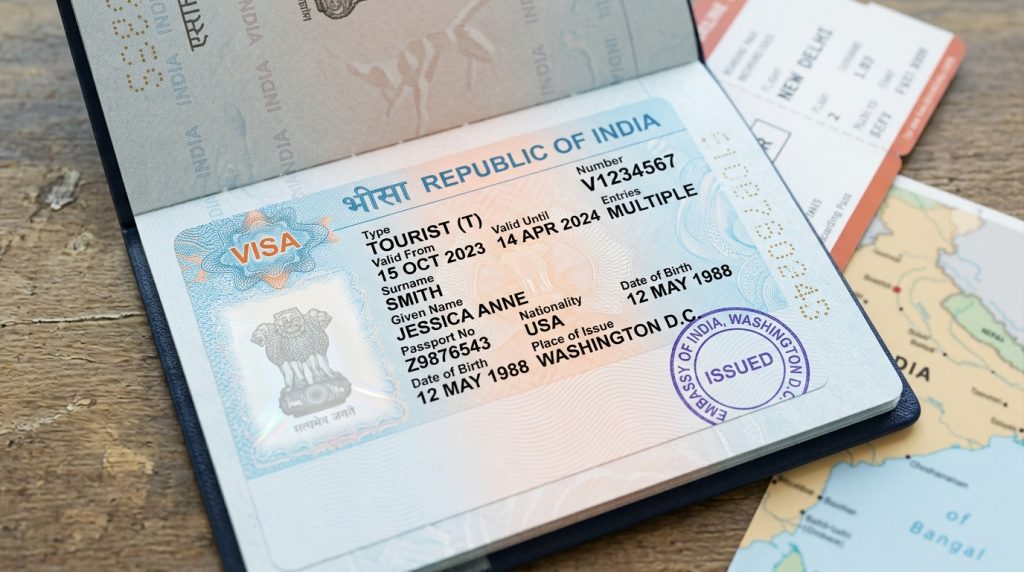
The cornerstone of India’s modern tourism strategy is the Electronic Visa (e-Visa) program. This initiative has successfully removed traditional barriers to entry, replacing long embassy queues and complex paperwork with a streamlined, user-friendly digital portal. This shift toward a digital-first approach has fostered deeper cultural and economic ties with nations across the globe, particularly with European travelers seeking spiritual and historical enrichment.
For those planning an expedition from the heart of Europe, the administrative path is incredibly smooth. Obtaining an INDIAN VISA FOR AUSTRIANS is now a straightforward online endeavor. This electronic authorization allows visitors to explore the historic forts of Rajasthan or the bustling markets of Delhi with ease. The system is designed to be inclusive, ensuring that travelers can secure their travel permits from the comfort of their homes, receiving their approved visa directly via email.
Navigating the Application Process
While the digital system is designed for speed, accuracy remains paramount to ensure a successful entry. The online form is comprehensive, requiring details about the traveler’s background, passport information, and stay details. One common area where travelers often seek clarity is the section regarding local contacts. Understanding how to correctly provide a REFERENCE NAME IN INDIAN VISA Application is essential. This usually refers to a contact person at your intended hotel or a tour operator within India who can verify your stay.
By providing clear and accurate information during the digital application, travelers can avoid delays and ensure their travel plans remain on track. The e-Visa covers a variety of purposes, including tourism, short-term business ventures, and medical visits, offering the flexibility needed for the modern international explorer.
Essential Preparation for Your Visit
To ensure a smooth transition into the rhythm of India, travelers should plan their visit during the cooler months, generally between October and March. This period offers the most pleasant weather for exploring outdoor monuments and bustling city centers. It is also important to ensure that your passport remains valid for at least six months from the date of arrival and contains at least two blank pages for immigration stamps.
While the modern e-Visa system is entirely digital, keeping a printed copy of your approval alongside your passport is a wise precaution for hotel check-ins and domestic transit. With these simple steps, the diverse landscapes and timeless stories of India are ready for you to discover.
