
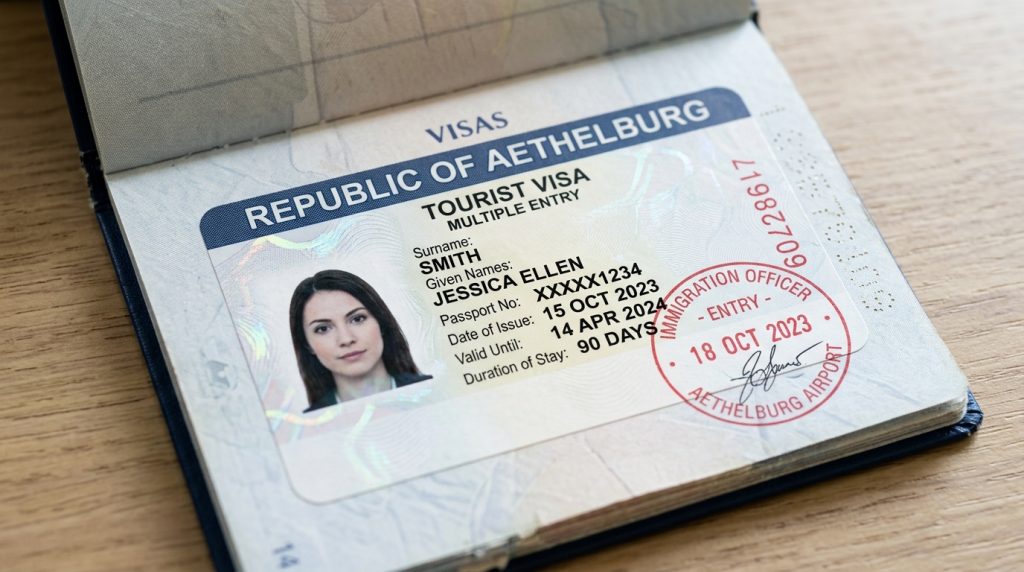
The world of international travel is currently undergoing one of its most significant technological shifts in decades. As governments move away from traditional paper visas and physical passport stamps, digital authorizations have become the new global standard. These systems are designed to enhance border security while making the entry process faster for legitimate travelers. Whether you are heading to the historic streets of London or planning a safari in the heart of East Africa, staying informed about these digital transformations is the key to a successful journey.
The British Digital Frontier
For decades, many travelers could enter the United Kingdom with just a valid passport. However, the UK Home Office has recently introduced the Electronic Travel Authorisation (ETA) to close the “security gap” for visitors who do not require a full visa. This system is part of a broader plan to digitize the UK border by the end of 2026, ensuring that every individual crossing the border is pre-screened.
For those planning a visit to the British Isles, understanding the NEW UK ETA REQUIREMENTS AND ELIGIBLE COUNTRIES is the first step in the travel planning process. The program is being rolled out in phases, initially targeting citizens from Gulf Cooperation Council nations and gradually expanding to include travelers from Europe, North America, and other visa-exempt regions. The authorization is linked digitally to your passport and remains valid for two years, allowing for multiple short-term stays for tourism, business, or study. By securing this document before heading to the airport, travelers can ensure a much smoother transition through automated eGates upon arrival.
Overcoming Hurdles in African Travel
While the UK modernizes its northern borders, Kenya has taken a bold step by becoming one of the first countries in the world to replace its traditional visa system with a mandatory Electronic Travel Authorization (eTA) for almost all international visitors. This move was intended to make Kenya more accessible, but as with any new digital transition, the application process can occasionally be met with technical or administrative challenges.
Many travelers have encountered various COMMON KENYA ETA PROBLEMS during the initial stages of the rollout. These often range from payment processing errors on the official portal to the rejection of applications due to non-compliant photographs or blurry passport scans. Additionally, providing incomplete accommodation details or an incorrect flight itinerary can lead to significant delays. To avoid these setbacks, it is highly recommended that travelers apply at least three days before their departure and double-check every entry against their official documents. Precision is the most effective tool for navigating these new digital gateways.
Best Practices for the Modern Explorer
To thrive in this new era of digital documentation, consider these three essential pillars for your next international trip:
- Apply Early: Digital systems can sometimes face maintenance or high-traffic delays. Never leave your authorization request until the day of your flight.
- Data Integrity: A single typo in a passport number can lead to a boarding denial at the airport. Verify your details twice before hitting “submit.”
- Keep Digital Backups: While your authorization is linked to your passport, having a PDF copy on your smartphone or a printed confirmation can be invaluable if a system goes offline during check-in.
By mastering these digital entry requirements, you can navigate the complexities of international borders with professional confidence. The world is becoming more connected, and with the right preparation, your next adventure can be defined by discovery rather than paperwork.
