
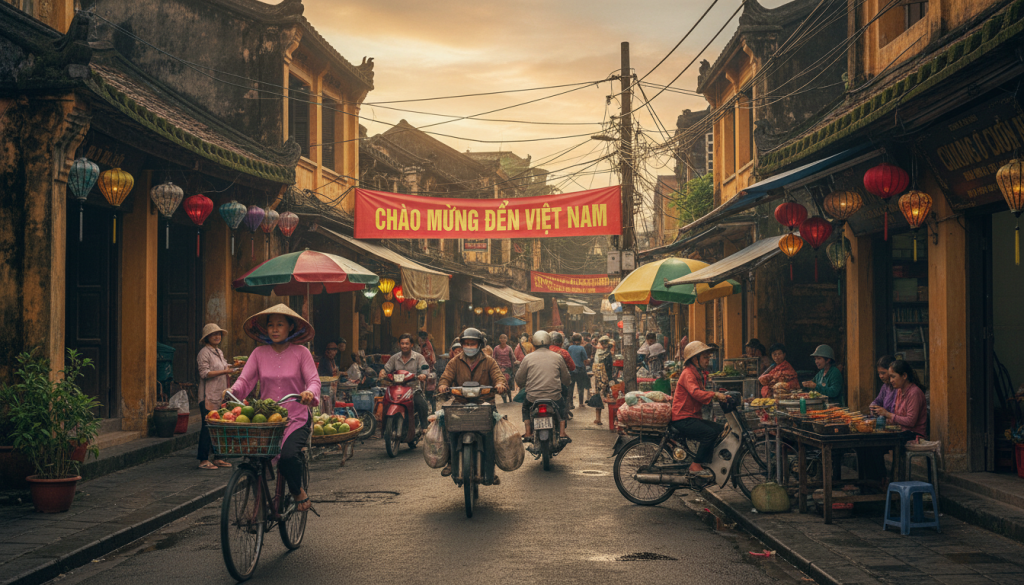
Vietnam remains one of Southeast Asia’s most sought-after destinations, offering a vibrant mix of bustling metropolises like Ho Chi Minh City and the tranquil, limestone karsts of Ha Long Bay. For modern travelers, the barrier to entry has lowered significantly thanks to digital transformation, but navigating the timelines and paperwork still requires a strategic approach.
Whether you are planning a last-minute business trip or a long-awaited holiday, finding the fastest way to get a Vietnam visa is essential to avoid airport delays. This guide provides a breakdown of the expedited routes available and the critical documents requirements for evisa applications to ensure a smooth approval.
The Fastest Way to Get a Vietnam Visa: Expedited vs. Standard
As of 2026, the Vietnamese Immigration Department offers several tiers of processing. While the standard e-Visa is the most popular, it isn’t always the quickest for those in a time crunch.
- Standard e-Visa Processing: Usually takes 3 to 5 business days. This is the most cost-effective route for those who plan ahead.
- Expedited Services: For travelers with an urgent departure, specialized agencies can often reduce the wait time to 1 to 2 business days.
- Emergency/Super Rush: In extreme cases, “Super Rush” services can secure a visa approval in as little as 4 to 8 working hours. However, this often comes at a significant premium and is strictly available on working days (Monday–Friday).
The Verdict: The fastest way to get a Vietnam visa while maintaining a reasonable budget is to use the official e-Visa portal at least 7 days in advance to account for any public holidays or technical delays.
Critical Documents Requirements for eVisa Applications
The most common reason for visa delays or rejections is a failure to meet the strict documents requirements for evisa uploads. To ensure a “first-time” approval, you must prepare the following:
- Passport Bio-Data Page Scan: You must upload a full-page scan of your passport’s information page. It must clearly show the ICAO lines (the two lines of text at the bottom). Ensure there are no glares, shadows, or cropped edges.
- Portrait Photo: A recent 4×6 cm photo with a plain white background. You must be looking straight ahead without glasses or hats. Digital “selfies” are often rejected if they do not meet professional lighting standards.
- Passport Validity: Your passport must have at least six months of validity remaining from the intended date of entry.
- Entry and Exit Points: You must decide your entry and exit gates (e.g., Noi Bai International Airport or Moc Bai Landport) before applying, as your visa will be restricted to these specific points.
Avoiding Common Pitfalls
Even when using the fastest way to get a Vietnam visa, small errors can cause big problems. Professional travelers always double-check the following:
- The “90-Day” Rule: Since 2023, Vietnam has offered a 90-day e-Visa for both single and multiple entries. Ensure you select the correct category on the Egypt Visa Application Form equivalent (the Vietnamese portal) to avoid having to re-apply if you plan to visit neighboring countries and return.
- Payment Confirmation: Always save your “Registration Code” after payment. Without this code, you cannot check your status or download the final PDF.
- Hard Copies: While the world is digital, Vietnamese immigration officers often prefer a physical, printed copy of your e-Visa to stamp upon arrival.
Conclusion: Plan for Speed, Prepare for Accuracy
Vietnam’s beauty is accessible now more than ever, but your speed of entry depends entirely on your preparation. By meeting the documents requirements for evisa precisely and choosing the right processing tier, you can transition from your flight to the streets of Hanoi without a hitch. Secure your authorization early, and let the adventure begin.
